Why Are Quality Tile Adhesive Bags Important?
Tile adhesive is generally supplied as a dry powder that must be protected from moisture and contamination. The packaging should be suitable for the product formulation, storage conditions, and transportation requirements.
Protection Against Moisture Exposure
Moisture can affect the quality and performance of cement-based tile adhesive powder. Suitable packaging materials and properly sealed closures help reduce moisture exposure during storage and distribution. The level of protection depends on the bag structure, inner lining or lamination, and storage conditions.
Safe Handling and Transportation
Tile adhesive bags move through manufacturing units, warehouses, building material shops, and construction sites. Appropriate bag strength and reliable closures help reduce tearing, leakage, and product loss during normal handling.
Clear Product Identification
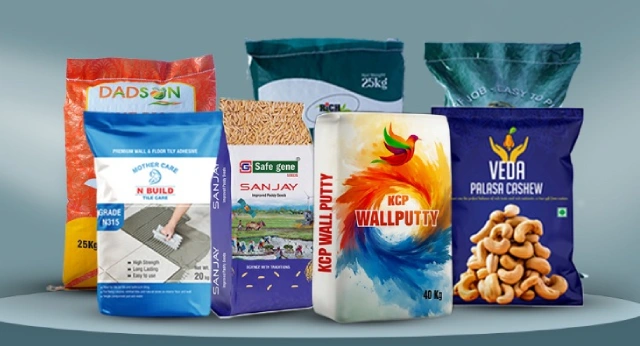
Printed packaging allows manufacturers to display product names, brand logos, net weight, usage instructions, batch information, and other relevant details. Clear labeling helps distributors and customers identify products and follow the manufacturer's instructions.
Types of Tile Adhesive Packaging Bags
Different tile adhesive formulations and production processes may require different packaging structures.
PP Woven Tile Adhesive Bags
Woven polypropylene fabric is used to make polypropylene (PP) woven bags. They are used for various industrial and construction packaging applications because they offer practical strength for handling and transportation.
Their suitability for tile adhesive depends on the required load capacity, fabric construction, inner lining, and moisture-protection requirements.
Laminated Tile Adhesive Bags
Laminated bags feature an additional layer intended to improve surface protection and help limit moisture exposure. The effectiveness of the protection depends on the laminate material, construction, and closure system.
For moisture-sensitive powdered products, manufacturers should select a packaging structure that meets the product's specific storage and shelf-life requirements.
Lined Tile Adhesive Bags
Bags with a suitable inner liner may be considered when additional protection from environmental moisture or powder leakage is required. The liner material and sealing method should be compatible with the tile adhesive formulation and filling process.
Printed Tile Adhesive Bags
Printed bags support brand identification and product communication. They can display product grades, brand names, net weight, application guidance, and other required information, subject to applicable labeling requirements and available printing options.
Key Features of Tile Adhesive Bags
Quality packaging should be selected according to the product formulation, filling weight, and distribution conditions.
Durable Material Construction
Appropriate material strength helps the bag withstand filling, stacking, loading, unloading, and transportation. The fabric and overall construction should be selected according to the intended load.
Moisture-Protection Options
Lamination, suitable liners, and effective closures may help reduce moisture exposure. The required packaging structure should be determined by the adhesive manufacturer's product-protection requirements.
Reliable Stitching and Closure
Suitable stitching and closure methods help keep the contents securely contained. The preferred method depends on the bag design, filling equipment, and required sealing performance.
Customizable Bag Capacity
Packaging capacity should match the required net weight and the bulk density of the tile adhesive powder. Bag dimensions should also suit the filling process and storage requirements.
High-Quality Printing
Printed packaging helps businesses communicate product information clearly. When handled and distributed normally, appropriate printing should continue to be viewable.
Compatibility With Filling Equipment
Bag dimensions, opening design, and closure methods should be compatible with the manufacturer's filling and packing machinery to support efficient production.
Benefits of Choosing Suitable Tile Adhesive Bags
Helps Preserve Product Quality
Appropriate packaging helps protect dry tile adhesive powder from environmental exposure and contamination. Proper warehouse storage and handling remain essential for maintaining product quality.
Reduces Product Leakage and Spillage
Suitable bag construction and closure methods help reduce the risk of powder escaping during transportation, handling, and storage.
Supports Efficient Storage and Distribution
Packaging designed for the intended load can make stacking, inventory management, and transportation more manageable for manufacturers and distributors.
Improves Brand Recognition
Custom printing enables tile adhesive manufacturers to maintain a consistent visual identity across their product range and distribution network.
Supports Construction Supply Chains
Reliable packaging helps manufacturers supply tile adhesive to building material retailers, contractors, construction companies, and infrastructure projects.
Offers Packaging Flexibility
Selecting suitable materials, bag sizes, liners, printing, and closure systems allows manufacturers to align packaging with different product and operational requirements.
Technical Specifications of Tile Adhesive Bags
Tile adhesive bag specifications should be selected according to the product formulation, required filling weight, moisture sensitivity, and manufacturing process.
- Bag Material: PP woven fabric or another suitable packaging structure, subject to product requirements.
- Bag Type: Woven, laminated, or lined bags, depending on the required protection.
- Bag Capacity: Selected according to the required net weight and product density.
- Bag Dimensions: Width and length determined by the filling weight, bag design, and packing equipment.
- Fabric GSM: To be confirmed according to the required material strength and bag construction.
- Moisture Protection: Lamination or a suitable inner liner may be considered according to product requirements.
- Printing Options: Brand logos, product names, usage instructions, net weight, and other relevant information, subject to available capabilities.
- Colour Options: To be confirmed according to material and printing availability.
- Stitching and Closure: Selected according to the bag design, filling system, and required sealing performance.
- Load-Bearing Capacity: Determined by the bag construction and intended net weight.
- Filling Compatibility: Bag opening and dimensions selected to suit the manufacturer's packing equipment.
- Customization: Available options should be confirmed with the manufacturer before production.
- Quality Checks: Dimensions, material strength, stitching, closure integrity, and suitability for the intended product should be evaluated.
Applications of Tile Adhesive Bags
Tile adhesive packaging is used throughout the construction materials industry.
Tile Adhesive Manufacturing Units
Manufacturers use suitable bags to package dry tile adhesive powder for wholesale distribution, retail supply, and construction applications.
Building Material Suppliers
Building material distributors and retailers require packaging that supports product identification, storage, and movement through their supply chains.
Construction Companies and Contractors
Construction businesses use packaged tile adhesive for flooring, wall tiling, renovation, and other installation projects, according to the product's intended application.
Tile and Flooring Businesses
Tile dealers, flooring contractors, and installation professionals rely on clearly labeled packaging to identify the adhesive product and its recommended use.
Infrastructure and Commercial Projects
Commercial buildings, residential developments, and infrastructure projects may require tile adhesive supplied in bags suitable for organized storage and distribution.
Wholesale and Bulk Distribution
Suitable packaging helps wholesalers and distributors move tile adhesive between manufacturing facilities, warehouses, retailers, and construction sites.
Tile Adhesive Bags Manufacturers in Karnataka and Bengaluru
Businesses searching for tile adhesive bags manufacturers in Karnataka and Bengaluru should compare packaging specifications, material quality, moisture-protection options, customization capabilities, and order requirements.
Tile Adhesive Packaging Requirements in Bengaluru
Bengaluru construction and building-material supply chains serve residential, commercial, and infrastructure projects. Tile adhesive manufacturers and suppliers need packaging that suits their filling processes, storage environments, and distribution requirements.
When evaluating tile adhesive bags in Bengaluru, buyers should consider fabric strength, lamination or liner requirements, bag capacity, printing quality, and closure performance.
Tile Adhesive Bag Requirements Across Karnataka
Across Karnataka, construction material manufacturers, distributors, wholesalers, and retailers may require different packaging configurations. The appropriate bag depends on the adhesive formulation, required net weight, transportation distance, storage conditions, and customer requirements.
Before placing an order, businesses should confirm product specifications, minimum order quantities, customization availability, pricing, production timelines, and delivery arrangements.
How to Choose the Right Tile Adhesive Bag Manufacturer
- Check Material Suitability: Ensure the proposed packaging structure suits the adhesive formulation and storage requirements.
- Evaluate Moisture Protection: Confirm whether lamination, an inner liner, or another suitable barrier is required.
- Verify Bag Strength: Review fabric construction, load capacity, stitching, and closure performance.
- Confirm Printing Requirements: Check brand artwork, colours, readability, and product information.
- Review Filling Compatibility: Ensure the bag dimensions and opening suit the packing equipment.
- Discuss Commercial Terms: Confirm order quantities, pricing, production timelines, transportation, and delivery coverage.
Frequently Asked Questions About Tile Adhesive Bags
- 1. Which materials are commonly used for tile adhesive bags? Depending on the product formulation, load requirements, and moisture-protection requirements, PP woven fabric and appropriate laminated or lined packaging structures may be utilized.
- 2. Why is moisture protection important for tile adhesive packaging? Many cement-based tile adhesives are moisture-sensitive powders. Moisture exposure can affect product quality, so suitable packaging and proper storage are important.
- 3. Can tile adhesive bags be customized with a company logo? Printing options may include brand logos, product names, net weight, usage instructions, and other relevant information. Confirm the available printing methods and customization requirements with the manufacturer.
- 4. What bag capacity is suitable for tile adhesive? The appropriate capacity depends on the required net weight, product density, bag dimensions, filling equipment, and handling requirements. Buyers should confirm the specifications before production.
- 5. Are laminated bags suitable for tile adhesive powder? Laminated bags may help reduce moisture exposure, depending on their construction and closure system. The packaging structure should be selected according to the adhesive manufacturer's product-protection requirements.
- 6. What elements influence tile adhesive bag prices? Cost may depend on material type, GSM, dimensions, capacity, lamination, liner requirements, printing, order quantity, and transportation. Request a quote based on the specifications that are needed.
- 7. What should buyers check before ordering tile adhesive bags in bulk? Confirm material specifications, moisture protection, bag dimensions, load capacity, printing details, closure methods, sample approval, order quantity, and delivery terms.
- 8. How do tile adhesive bags support product branding? Printed packaging helps manufacturers display brand identity, product grades, net weight, and relevant usage information. Clear and consistent packaging improves product identification throughout the supply chain.