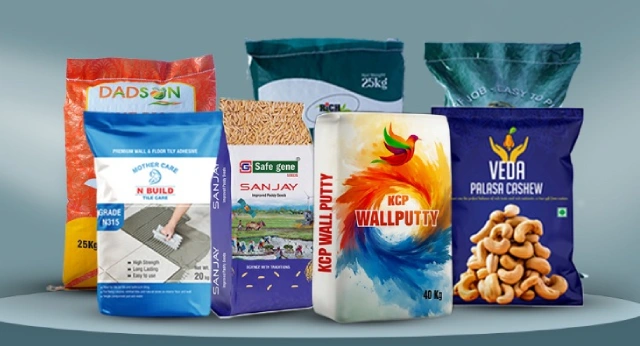
What Are Aqua Feed Bags?
Aqua feed bags are packaging bags designed for fish feed, shrimp feed, and other aquaculture nutrition products. They are used by feed manufacturers and distributors to package products for commercial sale, bulk transportation, and delivery to aquaculture farms.
Fish Feed Packaging Bags
Fish feed packaging bags are used for products such as floating fish feed, sinking fish feed, and formulated aquaculture pellets. The bag material and construction should be selected according to the product's weight, packaging process, and storage requirements.
Shrimp Feed Packaging Bags
Shrimp feed bags are used to package feed produced for shrimp farming. Suitable packaging helps contain small feed pellets and supports organized handling during distribution and storage.
Customized Aquaculture Feed Bags
Customized aqua feed bags can include product names, company logos, net weight, and other relevant product details. Bag dimensions, material specifications, and printing options should be confirmed according to the manufacturer's available capabilities.
Why Is Quality Aqua Feed Packaging Important?
Aqua feed packaging plays an important role in protecting packaged products and supporting efficient distribution from feed manufacturing facilities to aquaculture farms.
Protection During Storage and Transportation
Feed is shielded from environmental exposure, handling damage, and external contamination by carefully chosen packaging. Where moisture sensitivity is a concern, buyers should evaluate the bag structure and any additional barrier or lining requirements.
Convenient Handling and Distribution
Suitable bags make it easier for feed manufacturers, wholesalers, and aquaculture suppliers to organize inventory, load products, and transport packaged feed to different destinations.
Product Identification and Branding
Businesses can showcase product names, brand identities, feed types, and other pertinent information using printed packaging. Clear labeling supports product recognition and helps customers distinguish between different feed varieties.
Key Features of Aqua Feed Bags
The features of aqua feed bags should match the requirements of fish feed manufacturers, shrimp feed producers, and aquaculture distributors.
Durable Material Construction
Suitable packaging material helps contain feed during filling, stacking, transportation, and handling. Material strength should be selected according to the bag's intended load and operating conditions.
Suitable Bag Capacity
Different aquaculture businesses may require different filling weights and bag dimensions. Selecting the correct capacity helps support efficient packaging, storage, and distribution.
Printing and Branding Options
Printed bags can display company logos, product names, net weight, batch information, and other relevant details, subject to available printing options and applicable labeling requirements.
Stitching and Closure Options
Suitable stitching and closure methods help keep feed securely contained. The appropriate design depends on the bag construction, filling equipment, and expected handling conditions.
Moisture Protection Considerations
Aquaculture feed can be sensitive to moisture, depending on its formulation and intended storage conditions.The actual moisture barrier performance should be verified for the selected packaging.
Benefits of Choosing Suitable Aqua Feed Bags
Helps Reduce Feed Spillage
Properly constructed bags with suitable closures help contain fish and shrimp feed during routine handling and transportation, reducing the risk of product loss.
Supports Product Quality Protection
Suitable packaging helps protect feed from external contamination and environmental exposure. Correct storage practices are also necessary to maintain product quality throughout its intended shelf life.
Improves Brand Visibility
Printed packaging provides an opportunity to communicate brand identity and product information.Aquaculture feed companies can create identifiable packaging throughout distribution channels with the aid of consistent designs.
Supports Bulk Distribution
Packaging selected for the intended load makes it easier to manage inventory at manufacturing facilities, warehouses, feed dealerships, and aquaculture farms.
Provides Flexible Packaging Solutions
Businesses can select material types, bag dimensions, capacities, printing, and closure options according to their operational requirements and product specifications.
Technical Specifications of Aqua Feed Bags
Aqua feed bag specifications should be selected according to feed type, filling weight, storage conditions, transportation requirements, and the required level of product protection.
- Bag Material: Polypropylene (PP) woven fabric or other suitable material, depending on confirmed product requirements.
- Bag Type: Woven, laminated, or other available packaging formats.
- Bag Capacity: Selected according to the required filling weight and feed density.
- Bag Dimensions: Width and length determined by the feed quantity and packaging equipment.
- Fabric GSM: To be confirmed according to the required fabric strength and bag design.
- Load-Bearing Capacity: Selected according to the intended filled weight and handling conditions.
- Printing Options: Company logo, product name, net weight, and other relevant product information, subject to availability.
- Colour Options: Based on available materials and printing capabilities.
- Stitching and Closure: Appropriate closure methods according to bag construction and filling requirements.
- Lamination: Optional where available and suitable for the required surface or moisture protection.
- Inner Liner: To be considered if the feed and storage conditions require an additional protective layer.
- Customization: Dimensions, printing, and other specifications subject to confirmed manufacturing capabilities.
- Quality Checks: Material strength, stitching, dimensions, closure integrity, and load suitability should be evaluated before bulk production.
Applications of Aqua Feed Bags
Aqua feed packaging is used throughout the aquaculture and animal nutrition supply chain.
Fish Feed Manufacturing Units
Fish feed manufacturers use packaging bags for formulated pellets, floating feed, sinking feed, and other aquaculture nutrition products.
Shrimp Feed Production Facilities
Shrimp feed producers require packaging that can contain feed securely and support distribution to aquaculture businesses.
Aquaculture Farms and Fish Hatcheries
Fish farms and hatcheries receive packaged feed for operational use. Suitable bags help with storage, product identification, and day-to-day feed management.
Aquaculture Feed Distributors
Wholesalers and distributors use packaged feed to manage inventory and supply products to retailers, fish farmers, and commercial aquaculture operations.
Agricultural and Aquaculture Supply Stores
Retailers use printed and properly sized feed bags to organize products, display product information, and serve customers.
Bulk Feed Storage and Transportation
Suitable bags support the movement of feed between manufacturing facilities, warehouses, distribution centres, and aquaculture farms.
Aqua Feed Bags Manufacturers in Karnataka and Bengaluru
Businesses searching for aqua feed bags manufacturers in Karnataka and Bengaluru should assess material suitability, bag strength, printing quality, customization options, and order requirements before choosing a supplier.
Aqua Feed Packaging Requirements in Bengaluru
Bengaluru is a commercial centre serving businesses across multiple industries, including packaging, agricultural supplies, and distribution. Aqua feed manufacturers and suppliers operating in or purchasing through Bengaluru may need bags suited to their feed products and logistics requirements.
When comparing aqua feed packaging options, buyers should review material specifications, required capacities, printing needs, moisture protection, and the consistency of product quality.
Aqua Feed Bag Requirements Across Karnataka
Karnataka has aquaculture and fisheries activities that create demand for suitable fish and shrimp feed packaging. Feed manufacturers, distributors, and aquaculture businesses may require different bag formats depending on their product range, storage environment, and distribution arrangements.
Businesses should confirm supplier capabilities, minimum order quantities, production timelines, and delivery coverage before finalizing an order.
How to Choose the Right Aqua Feed Bag Manufacturer
- Check Material Quality: Ensure the proposed material suits the feed type and required load.
- Confirm Technical Specifications: Review bag dimensions, GSM, capacity, stitching, and closure details.
- Evaluate Moisture Protection: Determine whether lamination or an inner liner is appropriate for the feed.
- Review Printing Options: Confirm logo placement, colour availability, and product information requirements.
- Discuss Bulk Orders: Verify minimum quantities, production timelines, and customization options.
- Check Quality Control: Ask about consistency checks for materials, dimensions, stitching, and finished bags.
- Confirm Commercial Terms: Discuss quotations, payment terms, transportation, and delivery schedules.
These considerations help buyers select packaging that meets their product and operational needs.
Frequently Asked Questions About Aqua Feed Bags
- 1. What are aqua feed bags used for? Aqua feed bags are used to package, store, handle, and transport fish feed, shrimp feed, and other aquaculture nutrition products.
- 2. Which materials are commonly used for aqua feed packaging? PP woven fabric is a common option for feed packaging. Laminated constructions or suitable liners may be considered when additional protection is required. The best choice depends on the feed and storage conditions.
- 3. Are laminated bags suitable for fish and shrimp feed? Laminated bags may be suitable when additional surface or moisture protection is needed. Their actual barrier performance should be checked against the product's packaging and storage requirements.
- 4. Can aqua feed bags be customized with company branding? Printing options may include company logos, product names, net weight, and other relevant details. Available colours, printing methods, and minimum order quantities should be confirmed with the manufacturer.
- 5. How do I select the correct aqua feed bag capacity? Consider the required filling weight, feed density, bag dimensions, filling equipment, and distribution requirements. Confirm the load-bearing capacity before ordering.
- 6. What factors affect the price of aqua feed bags? Prices may depend on material type, GSM, dimensions, capacity, printing, lamination, inner liners, order quantity, and transportation requirements. Request a quotation based on the final specifications.
- 7. What should I check before ordering aqua feed bags in Karnataka? Confirm the material, capacity, dimensions, printing, closure, moisture protection, quality checks, order quantity, production schedule, and delivery arrangements.
- 8. How can suitable packaging benefit aquaculture feed businesses? Suitable packaging helps contain feed, supports organized storage and distribution, reduces spillage risks, and provides space for product information and brand identity.